
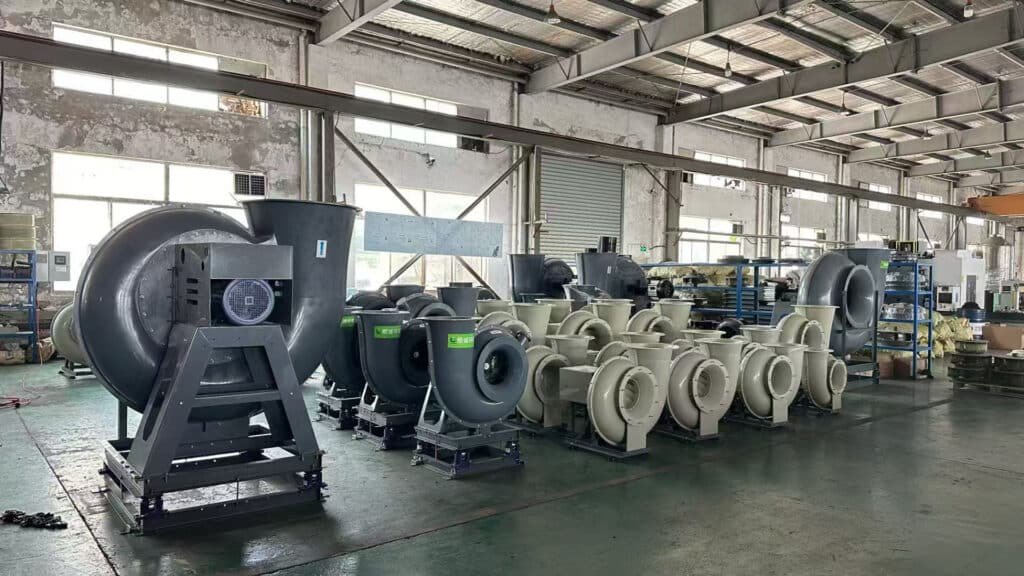
Summary of the main advantages of permanent magnet motors
- High Efficiency: Typically 94-97% efficiency (5-10% higher than induction motors)
- Energy Saving: 15-30% energy reduction in variable load applications
- Compact Design: 20-35% smaller size for equivalent power
- Precise Control: Superior speed/torque regulation accuracy
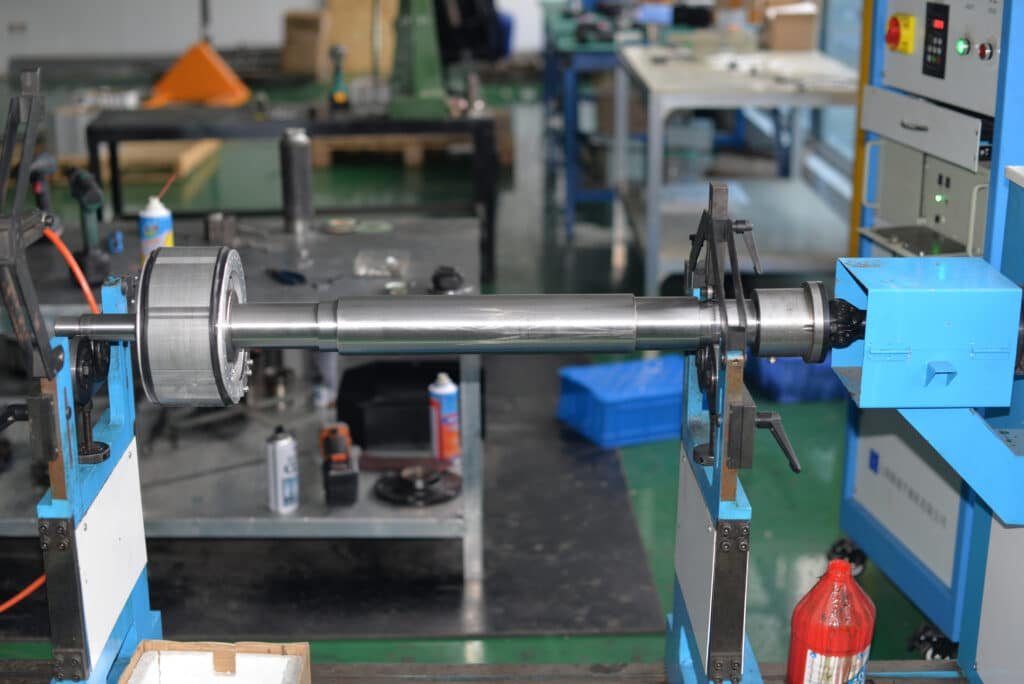
Main industrial applications of permanent magnet motors
1. Pumps and Fluid Handling Systems
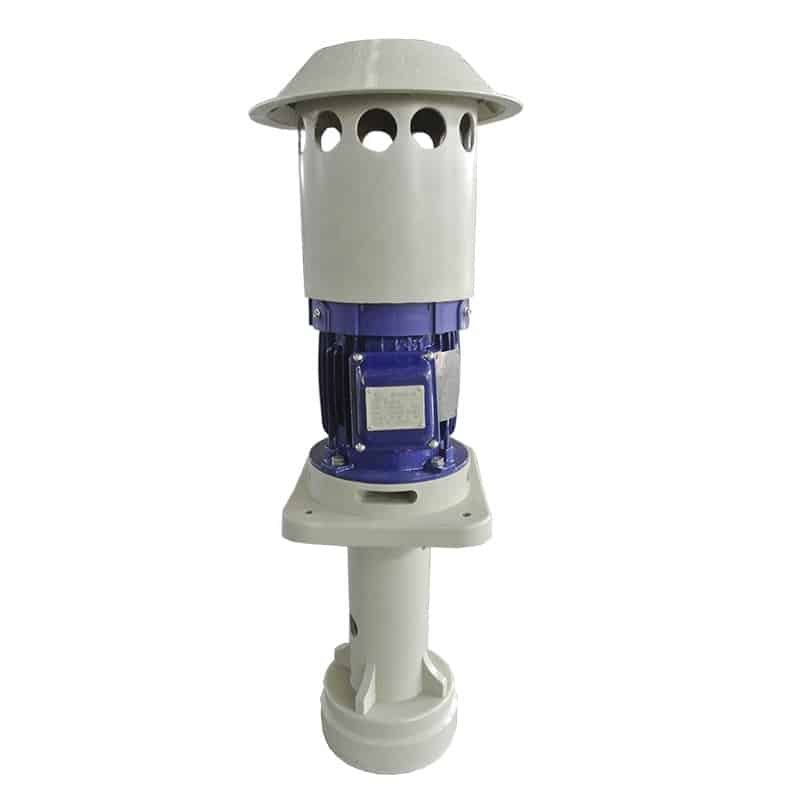
Applications: Centrifugal pumps, water treatment, chemical processing
Advantages:
- 30-50% energy savings in variable flow systems
- Wide constant power speed range maintains efficiency at partial loads
- Reduced maintenance from dry-run protection capability
Case Example: Municipal water pumping station using PM motors reported 42% energy reduction versus traditional systems
2. Fans and Ventilation Systems
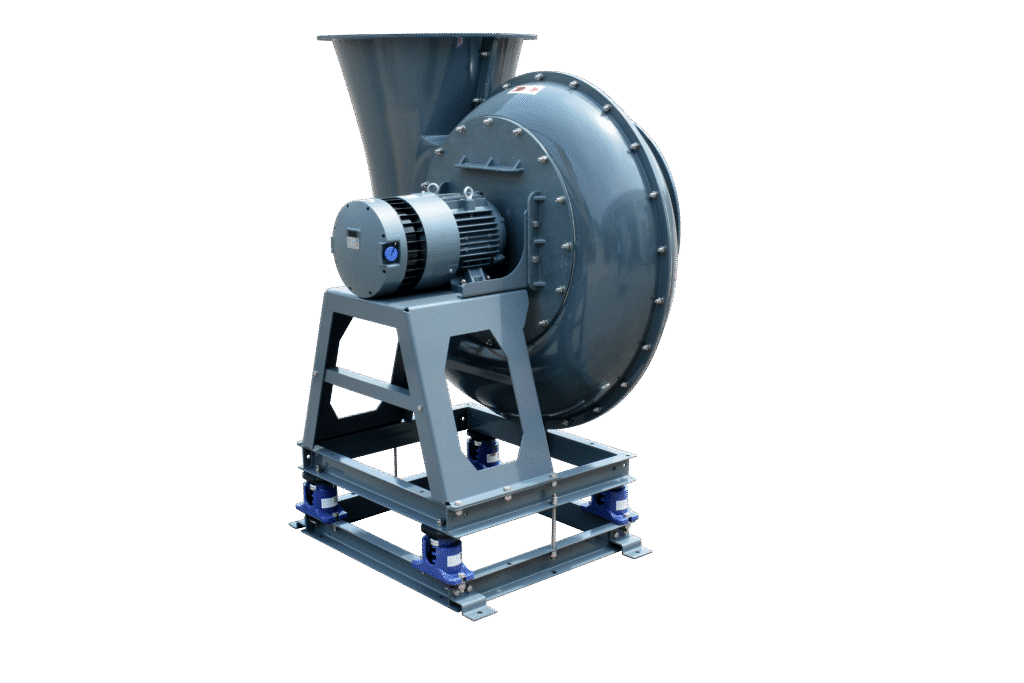
Applications: HVAC, industrial ventilation, cooling towers
Advantages:
- 25-40% energy savings in variable air volume systems
- Lower acoustic noise (5-10 dBA reduction)
- Direct drive capability eliminates gear losses
Case Example: Data center cooling fans with PM motors achieved 38% lower operating costs
3. Compressors
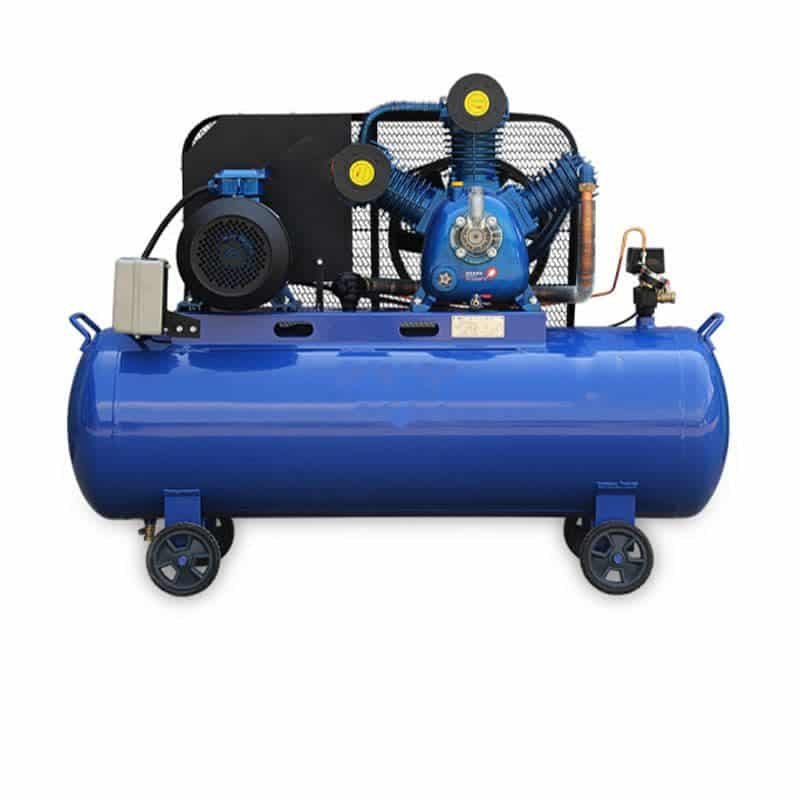
Applications: Air compressors, refrigeration compressors
Advantages:
- 20-35% higher part-load efficiency
- Reduced pulsation and vibration
- Oil-free operation capability in screw compressors
Case Example: Manufacturing plant’s compressed air system saved €45,000 annually after PM motor retrofit
4. Material Handling and Conveyors
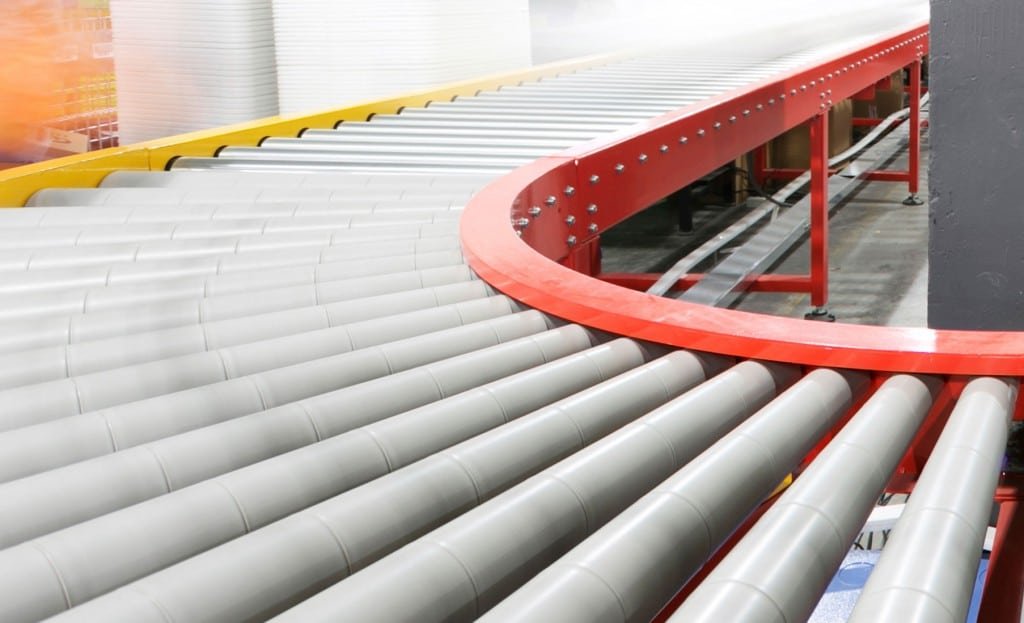
Applications: Conveyor belts, elevators, automated warehouses
Advantages:
- High starting torque (up to 200% rated torque)
- Precise speed control for positioning accuracy
- Regenerative braking energy recovery
Case Example: Mining conveyor system reduced energy consumption by 28% with PM motors
5. Machine Tools and Robotics
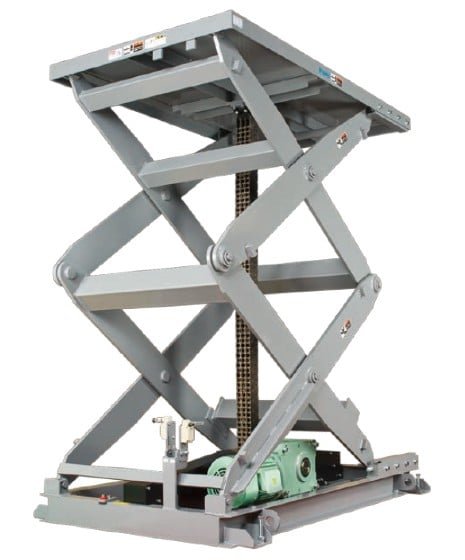
Applications: CNC machines, industrial robots, servo systems
Advantages:
- Rapid dynamic response (acceleration 2-3× faster)
- Zero-speed full torque capability
- High position accuracy (±0.01° typical)
Case Example: Automotive welding robots improved cycle time by 15% using PM servo motors
Detailed Explanation of the Technical Advantages of Permanent Magnet Motors
Energy Efficiency Comparison
| Operating Condition | Induction Motor | PM Motor | Savings |
|---|---|---|---|
| Full Load | 90-94% efficiency | 95-97% efficiency | 3-5% |
| 75% Load | 85-90% efficiency | 94-96% efficiency | 8-10% |
| 50% Load | 75-85% efficiency | 92-95% efficiency | 15-20% |
| 25% Load | 60-75% efficiency | 88-92% efficiency | 25-30% |
Control Performance
- Speed Regulation: ±0.01% vs ±0.5% for induction motors
- Torque Ripple: <1% vs 3-5% for induction motors
- Response Time: 5-10 ms vs 50-100 ms for induction motors
Reliability Factors
- MTBF: Typically 50,000-100,000 hours (20-40% higher than induction motors)
- Bearing Life: 30-50% longer due to lower operating temperatures
- Winding Life: Enhanced by 25-40% from reduced thermal stress
Implementation Considerations
Motor selection criteria
- Load Profile: Best for variable torque (fans/pumps) and constant power applications
- Operating Hours: Economically justified for >4,000 hours/year operation
- Control Requirements: Need for precise speed/torque control
- Environment: Temperature, dust, corrosive conditions
Integration Challenges
- Initial Cost: 30-50% higher capital investment
- Specialized Drives: Require compatible VFDs with encoder feedback
- Protection Needs: Demagnetization protection above 150°C
- Expertise Requirement: Trained personnel for installation and maintenance
Permanent Magnet Motors Future Trends
- Rare-Earth Reduction: Development of low/rare-earth-free magnets
- High-Temperature Magnets: Operation up to 200-250°C
- Integrated Designs: Motor+drive+gearbox combined units
- Digital Twin Integration: Predictive maintenance through IoT connectivity
- Circular Economy: Improved magnet recycling and reuse
Conclusion
Permanent magnet motors offer transformative advantages in industrial applications, particularly where energy efficiency, precise control, and compact design are critical. While requiring higher initial investment, their rapid payback (typically 6-24 months) and superior performance make them increasingly standard for:
- New installations in energy-intensive processes
- Retrofits of existing inefficient systems
- Applications requiring precise motion control
- Space-constrained or weight-sensitive installations
The combination of direct energy savings, reduced maintenance, and improved process control delivers compelling ROI, making PM motors a cornerstone technology for industrial energy efficiency and Industry 4.0 initiatives.