
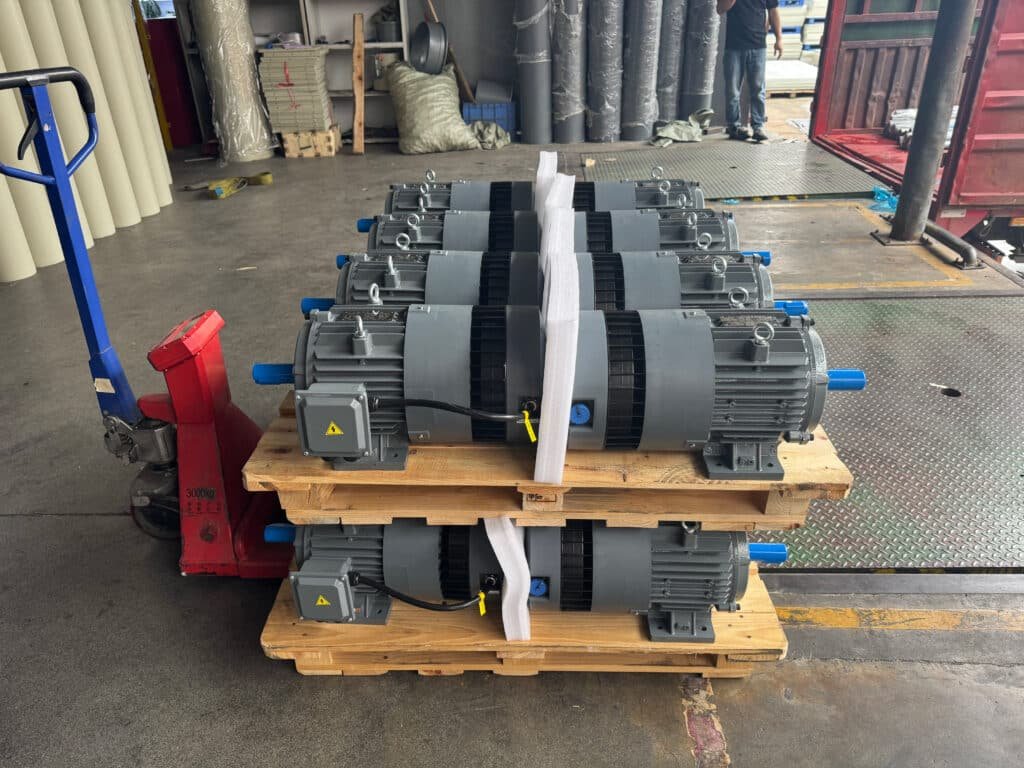
The industrial permanent magnet motor is an electric motor that uses high-performance permanent magnets (usually rare-earth materials such as neodymium iron boron) to generate an internal magnetic field, thus efficiently converting electrical energy into mechanical energy. Due to its core advantages of high efficiency, energy saving, stable operation, and wide application, it has been gradually adopted in the industrial motor industry.
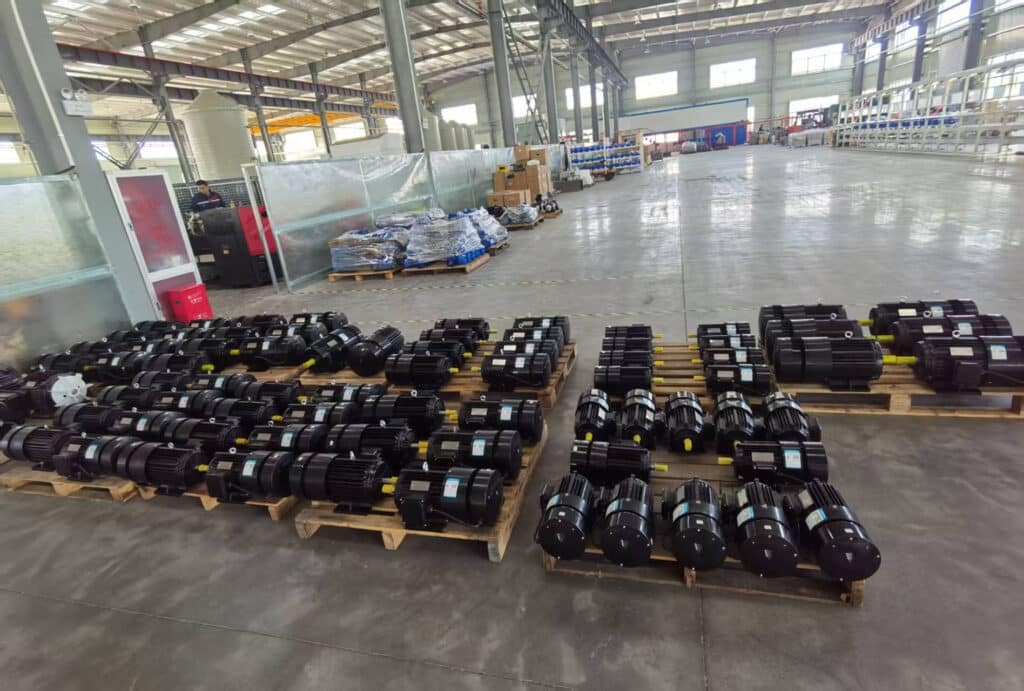
The core characteristics and advantages of permanent magnet motors have led to their gradual replacement of traditional induction motors (asynchronous motors) in many fields.
Differences in core principles between permanent magnet motors and traditional motors:
Traditional Induction Motors (Asynchronous Motors)
- Magnetic field generation method: The stator generates a rotating magnetic field when energized. The rotor (usually a squirrel-cage structure) needs to be “cut” by magnetic field lines to induce current, thereby generating a magnetic field. This “induction” process consumes additional electrical energy, and the rotor magnetic field is always “slower” than the stator magnetic field (i.e., “asynchronous”), resulting in “slip.”
- Disadvantages: Lower efficiency (especially under partial load), low power density, speed regulation requires a frequency converter, and low-speed performance is generally poor.
Permanent Magnet Synchronous Motor
- Magnetic Field Generation: The stator generates a rotating magnetic field when energized, while powerful permanent magnets are pre-installed on the rotor to provide a constant and continuous magnetic field. The stator magnetic field and the rotor permanent magnet magnetic field are directly “locked” together, rotating synchronously.
- Advantages: Extremely high efficiency (due to the elimination of rotor copper losses and excitation losses), high power density (small size, light weight, and strong output), fast dynamic response, good low-speed, high-torque performance, wide speed range, and high precision.
Main Features and Advantages of Permanent Magnet Motors:
- Ultra-high efficiency: This is the most prominent advantage. Compared to induction motors of the same power, efficiency is typically 3% to 10% higher or even more. For industrial equipment operating continuously throughout the year, the savings in electricity costs are considerable, making it the first choice for energy-saving retrofits.
- High power and torque density: It can output greater power and torque within the same volume and weight, making equipment more compact.
- Excellent control performance: With a dedicated frequency converter, speed and torque can be precisely controlled, enabling rapid start-up, stopping, and speed adjustment, with excellent dynamic response. Wide speed range: Stable operation and rated torque at extremely low speeds are essential for many precision drive applications.
- High reliability: Simple rotor structure, without brushes and slip rings (permanent magnet synchronous motor), reduces maintenance requirements.
- Main industrial applications: Due to their superior performance, permanent magnet motors are widely used in fields requiring high efficiency, precision, and compactness:
Key areas for energy-saving retrofits:
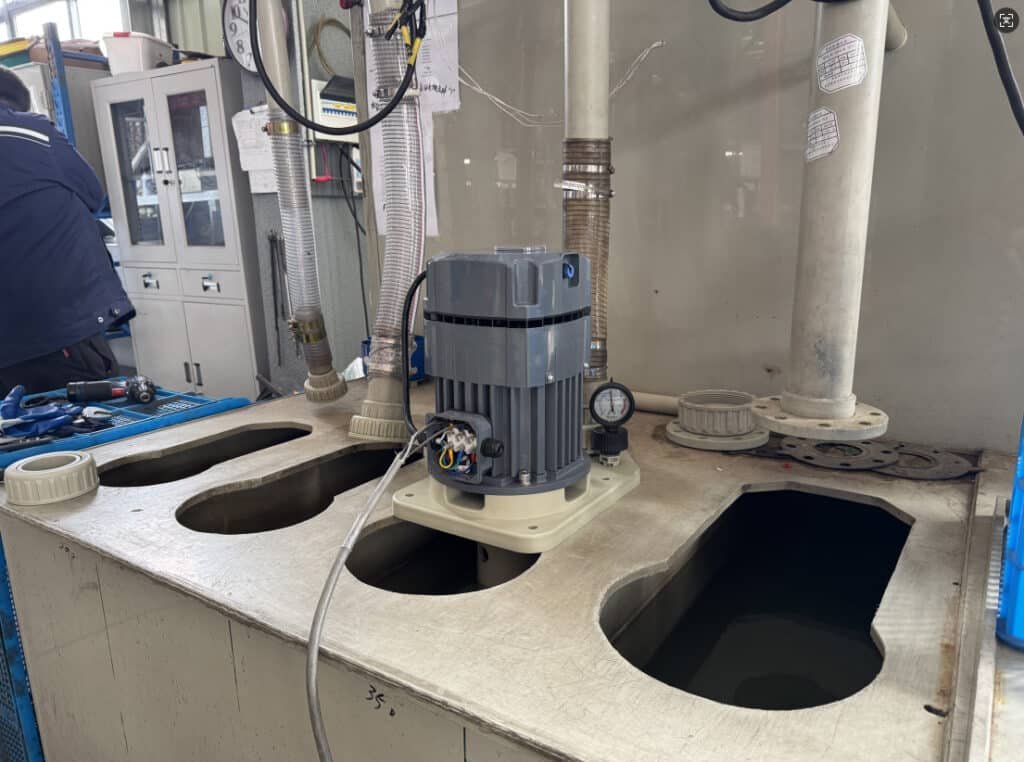
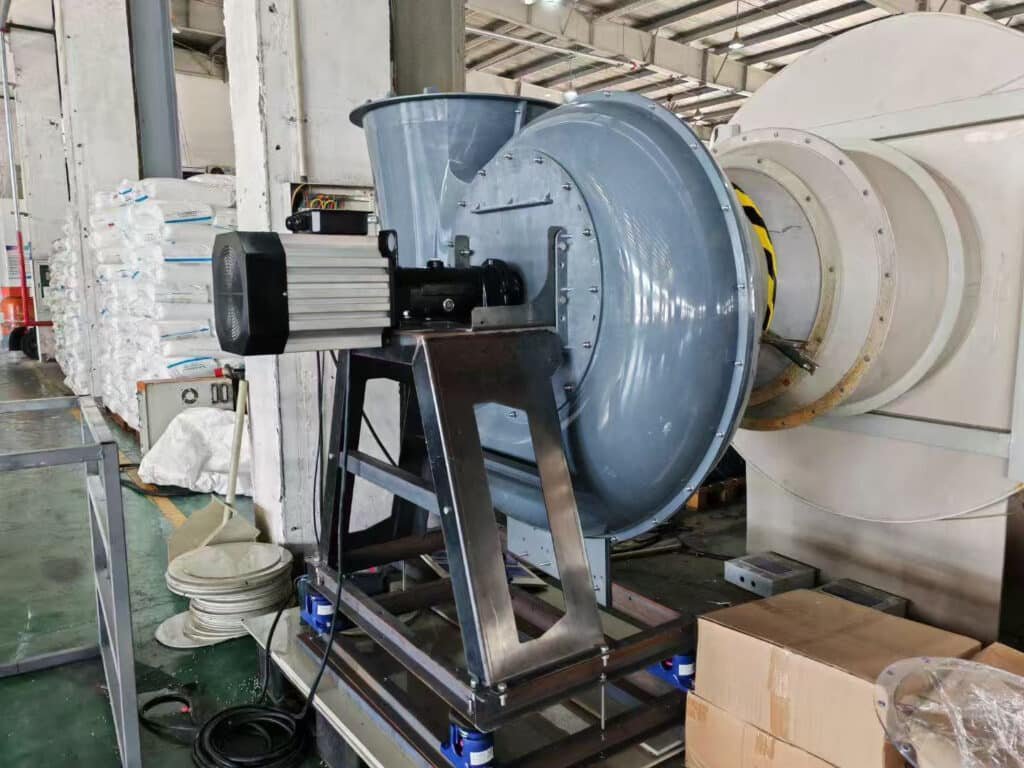
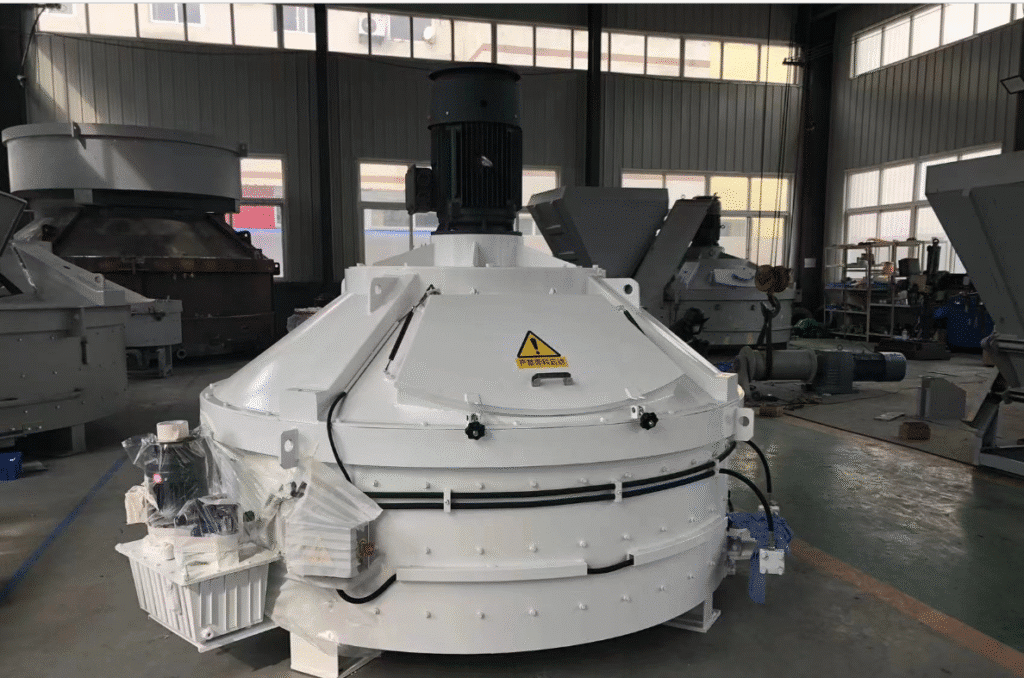
- Pumps and fans: This is the most widely used and energy-efficient application. Used in circulating pumps and forced draft fans in central air conditioning, water treatment, and power plants.
- Compressors: Air compressors and refrigeration compressors offer significant energy savings.
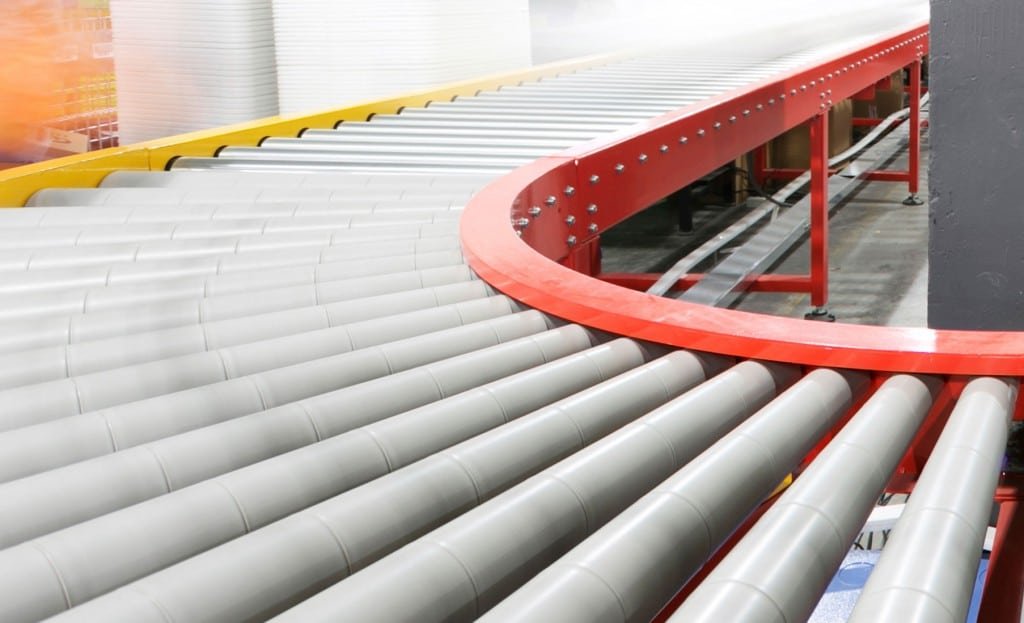
- Conveyor belts: Drive motors for material handling systems.
Industrial permanent magnet motors represent the future of high-efficiency, high-power-density, and high-performance motor technology. Despite higher initial investment, their superior energy-saving performance and excellent control capabilities often give them a significant advantage in terms of total life-cycle cost. They are becoming an indispensable core power component for industrial automation, energy conservation, and high-end equipment manufacturing.